
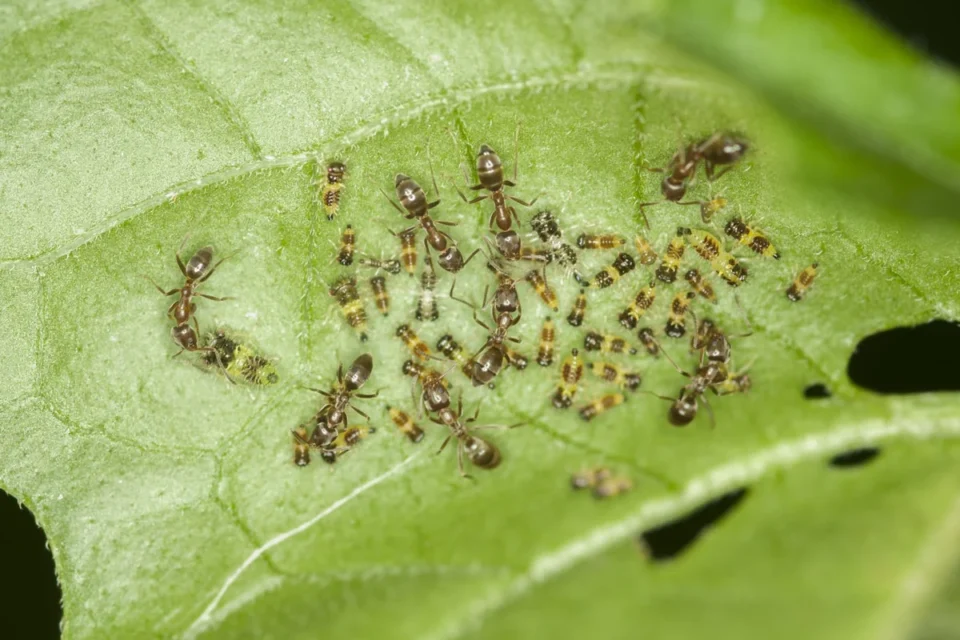
Beaverton garden beds often attract unwelcome guests. For many homeowners, the warmer months bring out pests around the vegetable patches and flower borders they are so careful to tend. Insect pest habitats form when moisture, organic matter, and protected areas combine to create sites that are extremely attractive to pest species.
Well, those problems are inherent in local climate patterns and in what garden beds naturally do as little ecosystems. Basic maintenance goes a long way, but chronic issues in your garden beds may require the expertise of skilled pest controllers from saelapest.com in Beaverton.
Beaverton’s Climate and Why It Attracts Pests
Beaverton receives about 42 inches of rain per year, most of which falls from October through May. This constant dampness keeps the soil wet, making it a perfect breeding ground for many other pests. With mild winters, in which average temperatures never fall well below freezing for long, several pest species can live year-round rather than being seasonally eliminated.
The Willamette Valley supports more than 200 insect species in homes, according to Oregon State University Extension. Summer temperatures of around 80°F can create optimal conditions for pest reproduction. In dry summer months from mid-July to the end of September, garden beds may be better at attracting Beaverton wildlife than other areas of the yard because they retain moisture longer.
Why Garden Beds Create the Perfect Pest Habitat
Garden beds are basically pest resorts. From one easy place, they have it all so that you can get through the survival process. Soils rich in organic matter and continually kept moist by routine watering will attract moisture-seeking insects, such as earwigs, sowbugs, and slugs. Organic mulch and decaying plant matter provide food sources, while dense foliage provides shelter and protection from predators and the elements.
Here is what makes garden beds so appealing:
- Constant food supply: Tender roots, leaves, and vegetables for fresh meals. Decomposers that thrive in decaying organic matter will, in turn, attract predatory pests.
- Shelter and nesting sites: Mulch layers, thick plantings around you, and the soil itself provide cover. Garden soil is looser than compacted lawn areas, making it easier for rodents to burrow.
- Stable microclimate: The more constant temperatures and humidity in garden beds compared to the surrounding area play an essential role, helping pests escape temperature extremes.
Simple Steps to Keep Garden Beds Pest-Free
When it comes to managing garden pests, prevention is always better than treatment. Simple tweaks to your maintenance can make a massive difference in the number of pests.
- Remove debris regularly: Remove fallen leaves, dead plants, and extra mulch, all areas where pests can hide and reproduce. Do not exceed 3 inches of mulch depth.
- Water in the morning: Morning watering dries the foliage by evening, reducing activity from slugs and snails during their most active hours.
- Space plants properly: Plants with good air circulation feel less humidity, which will discourage pests from staying near.
- Install barriers: Bury 6 inches of hardware cloth around beds to keep burrowing rodents out. Slugs and snails are deterred by copper tape.
When to Call Professional Pest Control in Beaverton
Even DIY methods have their limits, including those related to pest colonies. When you spot structural damage on the plants, even after practicing regular maintenance, or if the pests return within days of treatment, then professional intervention makes sense. If they are near garden beds, they are likely coming from near your home’s foundation, which is concerning.
Saela Pest Control operates in Beaverton and understands how local conditions affect pest behavior. The treatments they provide are geared toward Pacific Northwest pest species, and they can tell you whether problems in your garden bed are linked to broader property issues. Professional services come in handy during Beaverton’s transitional seasons, late spring and early fall, when various species are active at once, leading to increased pest pressure.
