
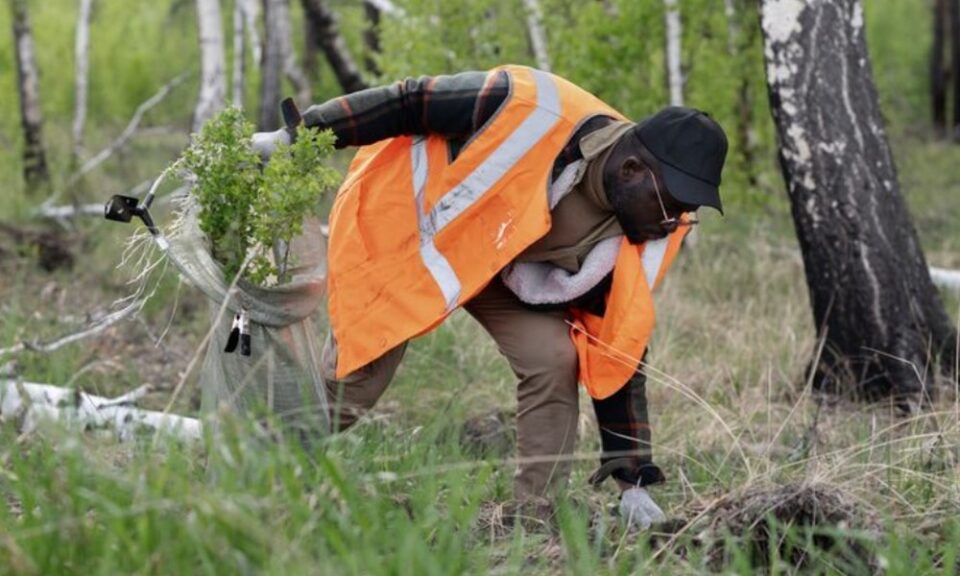
It is a concern when trees that were once thriving start to show signs of decline. It may seem as if dying trees are doomed, with their wilting leaves, peeling skin, and brittle branch. But, in most cases, they can be revived through professional care and restoration.
Tree restoration is centered on diagnosing underlying issues that are affecting a tree’s well-being and implementing targeted treatments to encourage natural recovery. Many trees can be restored to their former strength, stability and vitality with expert techniques and constant care.
1. Early Signs of Decline
It is important to recognize the signs of stress before a tree can recover. A dying or stressed out tree may show the following symptoms:
- Leaves that are wilted, sparse or discolored
- Bark that has cracked or peeled
- Dead or broken branches
- The base of the mushroom or fungus can be affected by a fungal growth
- Hollow or soft wood
- Insect activity is excessive
You have a greater chance of saving the tree if you catch these signs early. If you ignore the problem, even if it is only temporary (like drought stress or an imbalance in nutrients), it could lead to irreversible damages.
2. Diagnosing the cause
Understanding the cause of tree decline is essential to restoring the trees. Professionals use diagnostic tools to determine the root cause of the problem.
- Poor soil conditions: A soil that is compacted or deficient in nutrients will restrict root growth and oxygen.
- Insects and diseases. Borers, aphids or fungi can cause a tree to lose its structure.
- Watering incorrectly: Overwatering or underwatering can cause dehydration.
- Damage caused by mechanical equipment: Construction or lawn mowers can cause roots and bark to be damaged.
- Environmental stress: Storm damages, pollution or extreme temperatures can all affect a tree’s health.
After determining the root cause, a restoration plan that is tailored to the specific needs of the tree can be developed.
3. Soil and Root Regeneration
Healthy soil is the foundation of healthy trees. Improving the root environment is one of the best ways to revive an old tree. Professionals can use techniques like:
- Deep root fertilisation: injecting nutrients directly around the roots to increase absorption.
- Aeration of soil: loosening compacted dirt to improve water and oxygen flow.
- Mulching: Add organic mulch around the base of the plant to retain moisture and regulate temperatures.
These steps restore the natural eco-system around the roots and allow them to recover more quickly, supporting the tree better.
4. Pruning, Structural Maintenance and Care
Damaged or dead branches are not only unsightly, but they also sap energy from the tree. Professional pruning eliminates weak points and redirects nutrients to healthy areas, encouraging new growth.
Pruning properly also increases air circulation, reduces the risk of disease, and improves the overall structure of the tree. Correctly done, this helps the tree regain balance and stability as well as preventing any potential hazards caused by falling branches.
5. Pest and Disease Management
Tree decline is often caused by fungi and pests. Restoration specialists can identify early infestations and treat them with targeted treatments to protect the tree, without harming its surrounding environment.
It may be organic sprays, trunk injectings, or systemic treatment that eliminates pests and promotes new, healthy tissue. Once the problem has been controlled, regular monitoring will ensure that it does not return.
6. Regular Maintenance and Monitoring
It’s not a one-time thing to revive a dying tree. You need to continue caring for it. Even after restoration, trees still benefit from periodic checks to monitor their growth, soil conditions, and overall health.
Arborists adjust their care plans according to the changing seasons, so that trees remain strong in all weather conditions. A tree that was once in decline can be restored to health with regular watering, fertilization and pruning.
Final Thoughts
Science, patience and expertise are all necessary for tree restoration. Many dying trees can be saved by using proper diagnosis, soil improvements, pruning and pest management.
By investing in professional tree restoration, you can not only save the tree but also maintain its beauty and value to your property. Even a dying tree can be restored to its former glory with the right care. It will stand tall as a symbol of renewal and resilience.
This post was written by a professional arborist at Arborist St Petersburg FL. Robert Miller is the owner of Arbor Wise Professional Tree Care, a locally owned and operated tree service company that offers superb lawn care by the most experienced Arborists. Arborwise Tree Services is a tree removal company that offers stump removal, tree pruning, stump grinding, fertilization, and tree restoration. We have an extraordinary lawn care industry notoriety covering the Pinellas county area.
