
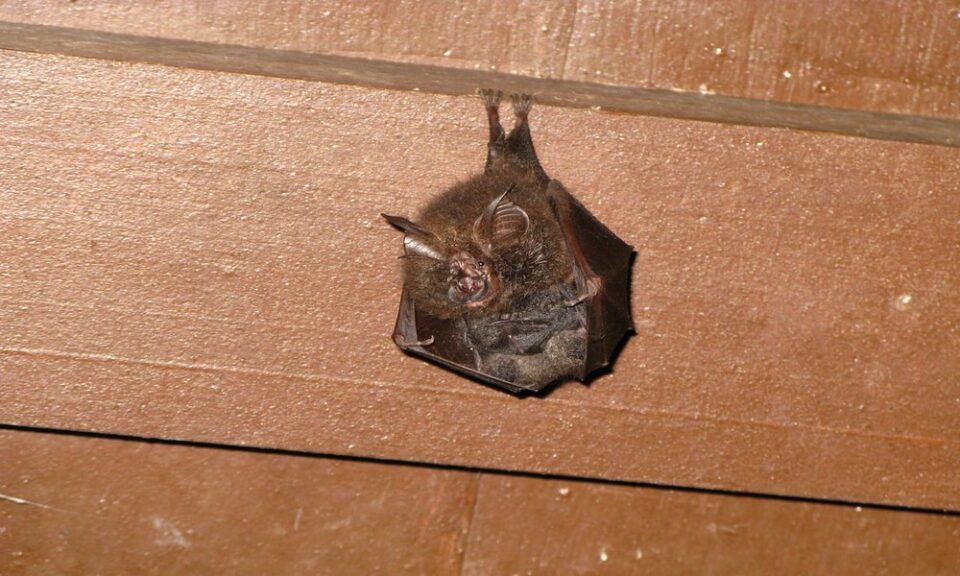
Reston homeowners face unique challenges with bats seeking shelter in attics and eaves amid the community’s wooded lots and proximity to Lake Audubon. Green Pest Services offers specialized solutions to safeguard properties humanely and effectively right from the start.
Why Bats Target Reston Residences
Reston’s 1960s split-level homes and townhouses attract bats via gaps in soffits and ridge vents. These nocturnal mammals roost in colonies of 20-200, drawn by mild summers and abundant insects near Fairfax County Parkway.
Bats squeeze through tiny openings, turning quiet attics into noisy nurseries by mid-spring. Storm damage and dense tree canopy hide entry points, while guano stains and musty odors signal infestations. Early detection prevents costly repairs, as colonies chew insulation and leave corrosive droppings.
Health Concerns from Bat Roosts in Reston
Bat guano accumulates rapidly, fostering histoplasmosis, a fungal infection causing flu-like symptoms and lung scarring. Rabies risk is high, with Virginia reporting dozens of exposures yearly. Scratches or bites demand immediate medical attention, as symptoms progress to paralysis.
Fairfax Health Department advises against DIY cleanup without PPE, citing airborne pathogens. Allergic reactions and asthma flares are common, while orphaned pups post-exclusion attract predators like raccoons. Reston’s proximity to Dulles Airport heightens migration encounters, making precautions crucial.
Spotting Bat Activity Around Reston Properties
Observe dusk flights from your Reston patio to pinpoint exits, streams of bats funnel from gables or chimneys.
- Rub marks: Oily streaks on wood near Lake Anne village homes.
- Guano piles: Pencil-thin droppings under eaves, often mistaken for mouse evidence.
- Chirping noises: High-pitched squeaks from attics at dawn, common in Reston townhomes.
Timing Your Bat Exclusion in Reston
Virginia’s bat maternity season spans April to September, when flightless pups rely on mothers, except only after August 15 to avoid trapping young. Reston’s fall migrations peak in October, ideal for interventions before hibernation. Professionals monitor with thermal cameras to confirm colony exit.
Step-by-Step Exclusion Techniques for Reston Homes
Exclusion prioritizes one-way valves over poisons, legal in Fairfax County only under permits.
Install One-Way Devices
Craft valves from 1/4-inch hardware cloth or netting tubes extending 2 feet outward. Bats exit at night but can’t grip slick interiors to re-enter, clearing colonies in 4-7 days.
- Secure netting over active holes with staples, leaving 6-inch flaps dangling.
- Use PVC pipe cones (2-inch diameter) for soffit gaps prevalent in Reston colonials.
- Avoid summer applications; pair with bat houses nearby to preserve insect control.
Seal Entry Points Post-Exclusion
Once flights cease, plug gaps smaller than 3/8-inch using expanding foam and caulk.
- Chimney caps: Stainless steel with mesh for Reston’s stone fireplaces.
- Vent screens: Polypropylene over bathroom fans, maintaining airflow.
- Ridge vent covers: Foam plugs sealed with metal flashing.
Preventive Measures Tailored to Reston Neighborhoods
Fortify against re-entry amid Reston’s foliage-heavy yards.
- Trim overhanging branches from Lake Fairfax drives, denying landing zones.
- Install motion lights on garages; bats shun bright areas.
- Add weather stripping to garage doors in Hunters Woods Plaza homes.
Safe Cleanup After Exclusion in Reston
HEPA vacuums remove guano without aerosolizing spores, wear Tyvek suits, N100 masks, and goggles.
- Wet-wipe surfaces with 10% bleach, avoiding dry sweeping.
- Dispose in sealed bags per Fairfax waste rules.
- Air out attics for 48 hours; test for histo spores if colony exceeded 50 bats.
Community Efforts for Bat-Free Reston
Reston Association partners with wildlife groups for bat house installations at community centers, reducing home invasions. Educate neighbors via Nextdoor to curb insect lights attracting swarms. Long-term, native tree plantings near Walker Woods balance ecology without roost risks.
Bat proofing secures Reston homes against these beneficial yet intrusive visitors. Proactive steps ensure peaceful attics year-round.
