
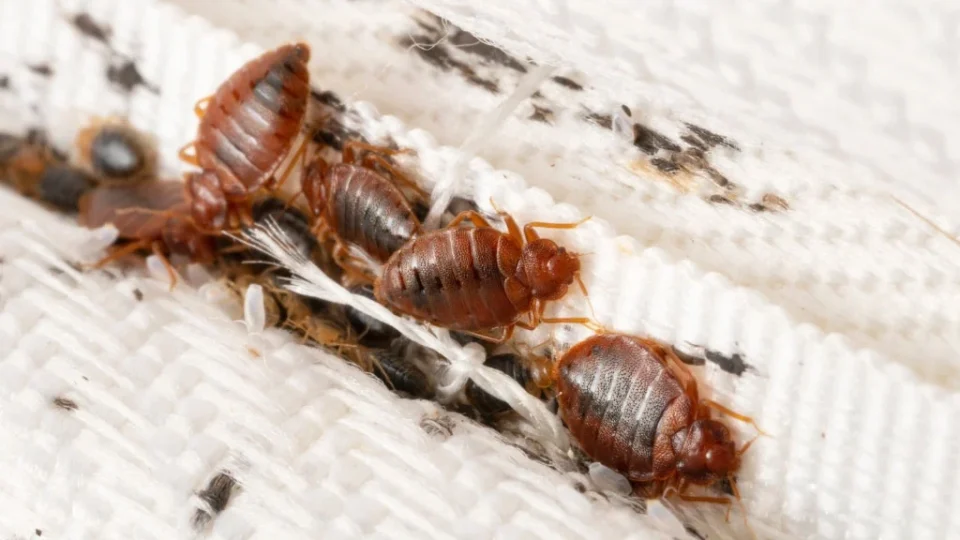
Bed bugs cause stress for homeowners. A few itchy bites or a small bug on the mattress can turn restful sleep into worry. Bed bug issues in McKinney can occur in apartments, townhomes, and houses of all sizes. These pests do not care how clean a home may look. What matters is access to people and hiding spots. Getting rid of bed bugs for good requires working with Romney Pest Control experts and taking steps to prevent future infestations.
Bed bugs hide with skill. They fit into cracks as thin as a credit card and stay close to where people sleep or rest. They take shelter in mattresses, bed frames, headboards, couches, and baseboards. They feed at night and avoid light. This habit allows them to stay hidden for long periods. Bed bugs also survive weeks without a meal.
Many homeowners assume bed bugs come from poor hygiene. But these pests can hitch a ride in luggage from hotels, clothing from shared spaces, and secondhand furniture all pose a risk. In multi-unit housing, bed bugs move between units through walls and floors. One untreated space can affect nearby homes. Below are the steps to get rid of bed bugs:
Confirm the Problem Before You Act
Confirm bed bugs exist before you start treatment. Look for small reddish-brown bugs, shed skins, or dark spots on sheets and mattresses. Bites often appear in clusters on exposed skin, though skin reactions vary. Check seams of mattresses, box springs, and headboards. Inspect couch seams and nearby outlets. A clear inspection prevents wasted effort on the wrong pest.
Reduce Clutter to Limit Hiding Spots
Clutter helps bed bugs hide. Piles of clothes, stored items under beds, and crowded closets create shelter. Clear these areas to limit places for bugs to stay and make treatment work better. Seal items in bags or bins during cleanup. This step prevents bugs from spreading to new rooms. Label items so that clean and treated belongings stay separate from untreated ones.
Wash and Dry with Heat
Heat kills bed bugs at all life stages. Wash bedding, clothes, and soft items in hot water. Follow with a high-heat dryer cycle for at least 30 minutes. Items that cannot go in the washer still benefit from dryer heat. Keep cleaned items sealed until treatment ends to avoid reinfestation.
Vacuum With Care and Purpose
Vacuuming removes bugs, eggs, and debris from surfaces. Focus on mattress seams, bed frames, carpets, and baseboards. Use a crevice tool to reach tight spots. Seal the bag in plastic and discard it outside the home after vacuum use. Clean the vacuum canister with hot water if no bag exists. This step prevents bugs from escaping back indoors.
Mattress and Box Spring Encasements Help
Encasements trap bed bugs and block new hiding spots. Use covers designed for bed bugs. Encase mattresses and box springs fully and keep them sealed for months. This approach starves bugs trapped inside and simplifies inspections. Encasements also protect treated beds from future exposure.
Avoid DIY Methods That Make Things Worse
Some home remedies cause bed bugs to spread. Bug bombs and foggers push bugs deeper into walls and furniture. Over-the-counter sprays may kill on contact but miss hidden bugs and eggs. Using multiple products without a plan creates resistance and delays proper control.
Consider Professional Heat Treatment
Technicians raise indoor temperatures to levels that bed bugs cannot survive. Heat reaches walls, furniture, and hidden areas without reliance on chemicals. This method works well due to structure types and climate. Heat treatment may resolve infestations in one visit when done correctly.
Some infestations need targeted chemical use. Professionals apply products to cracks, baseboards, and furniture where bugs hide. This approach requires training to ensure safety and success.
