
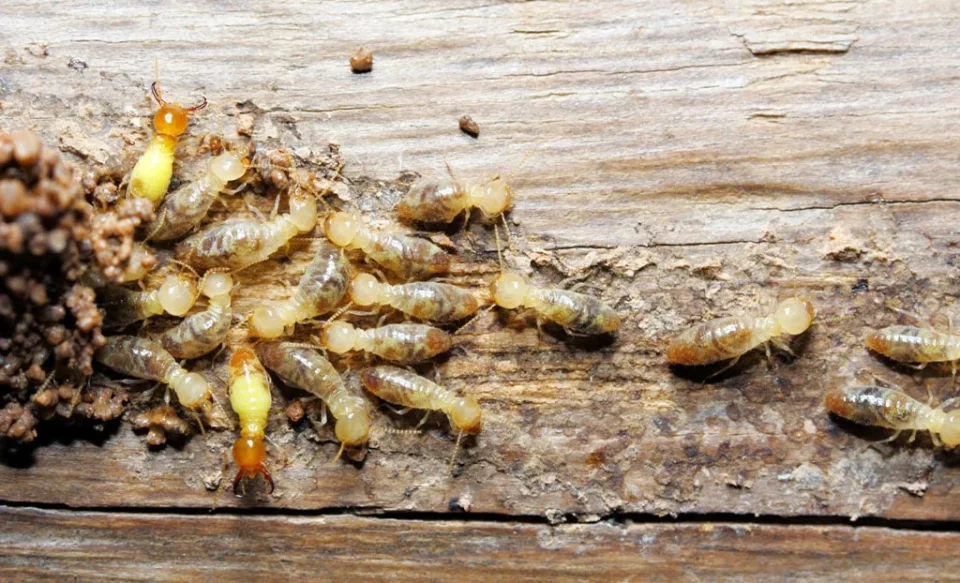
Termites are one of the most destructive pests a homeowner can face. Unlike rodents or visible insects, termites operate quietly, often unnoticed until significant damage has occurred. According to industry studies, termites cause billions of dollars in property damage annually. The threat is particularly high in areas with wood-framed homes, moisture-prone foundations, and climates that support year-round termite activity.
While many homeowners focus on immediate problems like cockroaches or ants, termite prevention is often overlooked. Understanding termite behavior, identifying risk factors, and implementing preventive strategies are essential to protecting both structural integrity and property value.
Why Termites Are So Dangerous
Termites feed on cellulose, the primary component of wood, cardboard, and paper. Their feeding is silent and continuous, which allows them to compromise structural elements over time without obvious signs. Some of the risks include:
- Weakening of support beams, joists, and flooring
- Damage to furniture, cabinets, and wooden fixtures
- Increased risk of costly repairs or renovations
- Reduced property value if untreated infestations are discovered
Early detection and proactive prevention are crucial. Termites are more cost-effective to prevent than to eradicate after significant damage.
Common Signs of Termite Activity
Even though termites are often hidden, careful observation can reveal early warning signs:
- Mud tubes along walls, foundations, or crawl spaces
- Hollow-sounding wood when tapped
- Piles of discarded wings near windows or doors
- Slightly buckled flooring or swelling wood
- Cracks or blistering in paint over wooden surfaces
Identifying signs early can save thousands of dollars in structural repairs and prevent widespread infestation.
Factors That Increase Termite Risk
Several environmental and structural factors make homes more susceptible:
- Moisture: Leaky pipes, poor drainage, or humid basements attract termites
- Wood-to-soil contact: Direct contact increases entry points for subterranean species
- Mulch and landscaping: Excessive mulch near foundations retains moisture and hides termite pathways
- Cracks and gaps: Small openings in foundation or siding can allow termites access
- Stored wood or debris: Firewood, cardboard, or lumber stacked near the home provides both food and shelter
Being aware of these risk factors allows homeowners to take preventative action before damage occurs.
Preventive Measures Every Homeowner Should Take
Even simple changes in maintenance and habits can significantly reduce termite risks.
1. Maintain Dry Conditions
- Repair leaky pipes, roofs, and faucets promptly
- Ensure proper grading to direct water away from foundations
- Install gutters and downspouts to reduce standing water
2. Reduce Direct Wood Contact
- Avoid placing wooden structures, fences, or decks directly on soil
- Use concrete or treated wood for supports where possible
3. Inspect and Treat Landscaping
- Keep mulch, shrubs, and plants away from foundation walls
- Avoid stacking firewood near the home
- Trim tree branches that touch or hang over the roof
4. Seal Entry Points
- Inspect for cracks in the foundation, siding, or around windows and doors
- Use caulking or weatherproofing to fill gaps
- Install mesh screens in crawl spaces and vents
5. Regular Professional Inspections
Even the most thorough homeowner inspections can miss hidden colonies. Scheduling annual or biannual termite inspections ensures early detection and professional prevention methods.
Understanding Termite Treatments
Professional termite treatments provide both immediate removal and long-term prevention. Common strategies include:
- Liquid termiticides: Applied around foundations to create a barrier
- Baiting systems: Attract termites to poisoned bait stations placed around the property
- Wood treatments: Chemical or physical barriers applied to vulnerable wooden elements
- Moisture control solutions: Reduce humidity or standing water that encourages termite activity
Combined, these methods not only eradicate existing colonies but reduce the likelihood of future infestations.
DIY Measures for Ongoing Protection
Homeowners can complement professional treatments with everyday vigilance:
- Monitor basements, crawl spaces, and attics for moisture or wood damage
- Store firewood at least 20 feet from the home and elevate off the ground
- Keep gutters clean to prevent water accumulation
- Reduce mulch depth near foundation walls
- Maintain a clean yard free of decaying wood or cardboard
Consistency in these actions significantly enhances long-term termite prevention.
When Professional Help Is Essential
Termites are difficult to control without specialized knowledge, tools, and treatment options. DIY methods often address surface-level issues but fail to eliminate colonies in hidden spaces. Seeking expert assistance ensures proper identification of species, targeted treatment, and ongoing monitoring.
Those seeking reliable, year-round protection against termite activity and other home-invading pests can contact Kansas city pest control for professional assessment and treatment plans tailored to each property.
Conclusion
Termites may be small, but their potential for damage is immense. Homes left unprotected are at risk for structural compromise, costly repairs, and diminished property value. By understanding termite behavior, identifying risk factors, implementing preventive measures, and working with professional services, homeowners can significantly reduce the likelihood of infestation.
Year-round vigilance, moisture management, proper landscaping, and periodic inspections are the best defenses. Early action not only preserves the integrity of the home but provides peace of mind, knowing that these destructive pests are unlikely to threaten the property.
